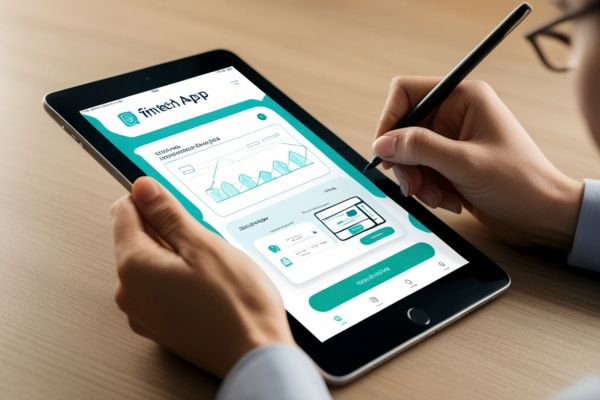
Banking no longer feels like a place you go. For most people in 2026, it’s something that simply lives on their phone, quietly running in the background of daily life. Checking balances while waiting for coffee, splitting bills at dinner, freezing a card after a suspicious alert—these moments define modern money management. At the center of this shift are fintech apps for banking, reshaping how people interact with their finances in ways that feel more intuitive, personal, and responsive than traditional systems ever did.
This evolution didn’t happen overnight. Fintech apps began as alternatives for people frustrated with slow processes, hidden fees, and rigid banking hours. Over time, they matured into full financial ecosystems. Today, they are not just substitutes for banks but platforms that rethink what banking can be when built around real human behavior instead of legacy infrastructure.
The Changing Meaning of Banking in a Digital World
Banking once revolved around institutions. Branches, paperwork, and long approval timelines shaped expectations. Fintech apps flipped that relationship by putting the individual first. The experience now starts with usability rather than compliance checklists, even though regulation still plays a critical role behind the scenes.
In 2026, fintech apps for banking are less about novelty and more about reliability. People expect instant access, real-time insights, and frictionless movement of money. These apps have normalized features that once felt advanced, such as instant notifications, biometric security, and automated budgeting. What stands out now isn’t speed alone, but how seamlessly financial tools blend into everyday routines.
Why Fintech Apps Feel More Human Than Traditional Banking
One of the quiet successes of fintech apps is how they communicate. The language is clearer. Alerts feel helpful rather than alarming. Interfaces are designed to guide rather than overwhelm. This matters more than it might seem. Money is emotional, and fintech apps acknowledge that reality by offering clarity when people need reassurance and simplicity when decisions feel stressful.
Traditional banking apps often mirror internal systems, exposing users to complexity they never asked for. Fintech apps take the opposite approach. They abstract the complexity away, allowing users to focus on outcomes rather than processes. The result is a sense of control that builds trust over time.
Everyday Banking Through Fintech Apps
For many users, fintech apps now handle daily banking tasks entirely. Salary deposits arrive early, transactions update instantly, and spending patterns are visible at a glance. These apps don’t just record financial activity; they interpret it. Monthly summaries feel more like reflections than reports, helping users understand habits without judgment.
Transfers between accounts, both domestic and international, have become almost invisible. What once required forms and waiting periods now happens in seconds. This ease has changed expectations permanently. Waiting days for a transfer feels outdated, not cautious.
Security and Trust in Fintech Banking Apps
Security concerns once dominated conversations around fintech. In 2026, the discussion has shifted. Strong encryption, multi-factor authentication, and real-time fraud detection are assumed rather than debated. Fintech apps for banking have invested heavily in making security both robust and unobtrusive.
What builds trust now is transparency. Clear explanations when something goes wrong, immediate alerts when activity looks unusual, and simple controls that allow users to lock down accounts instantly. These features don’t eliminate risk, but they reduce uncertainty, which is often what people fear most.
Financial Awareness Instead of Financial Noise
One of the more subtle strengths of fintech apps is how they encourage financial awareness without constant pressure. Instead of pushing users to optimize every cent, many apps focus on gentle insights. A notification about higher-than-usual spending feels like a nudge, not a reprimand.
This approach reflects a broader understanding of how people actually manage money. Perfection isn’t realistic. Consistency is. Fintech apps that succeed in 2026 are the ones that respect this balance, offering guidance without turning finances into a performance metric.
The Role of Automation in Modern Banking Apps
Automation has moved beyond simple recurring payments. Fintech apps now automate savings, categorize expenses intelligently, and adjust recommendations based on behavior rather than static rules. These systems learn quietly, improving over time without demanding constant input from the user.
What’s notable is how optional this automation feels. Users can engage deeply or stay hands-off. The app adapts either way. This flexibility is part of what makes fintech apps for banking feel less like tools and more like companions—present when needed, invisible when not.
How Fintech Apps Support Different Financial Lifestyles
Not everyone uses money the same way, and fintech apps have become better at recognizing that. Freelancers, remote workers, small business owners, and traditional salaried employees all interact with finances differently. Modern fintech platforms allow users to customize their experience without forcing them into predefined categories.
This adaptability shows up in how income is tracked, how taxes are estimated, and how spending is visualized. Instead of one-size-fits-all dashboards, users see information framed around their own financial rhythm. That personalization, when done subtly, makes financial management feel less like a chore.
The Quiet Influence of Fintech on Financial Literacy
Fintech apps don’t advertise themselves as educational tools, yet they have quietly improved financial literacy for millions. By making concepts like cash flow, savings rates, and discretionary spending visible in real time, they turn abstract ideas into everyday experiences.
Learning happens through interaction rather than instruction. Users understand their finances better simply by engaging with them more often. This passive education may be one of fintech’s most lasting contributions, even if it rarely gets the spotlight.
Challenges That Still Shape Fintech Banking
Despite their strengths, fintech apps for banking are not without limitations. Dependence on technology means outages feel more disruptive. The absence of physical branches can still be unsettling for certain situations. Regulation continues to evolve, occasionally creating friction as apps adapt to new rules.
There’s also the question of digital fatigue. As apps compete for attention, restraint becomes a feature. The best fintech platforms in 2026 recognize that usefulness doesn’t require constant engagement. Sometimes, doing less is the most user-friendly choice.
The Future Direction of Fintech Banking Apps
Looking ahead, fintech apps are likely to become even more integrated into daily life, but in quieter ways. Instead of adding features, many will refine existing ones. The goal seems less about expansion and more about refinement—making banking feel effortless rather than impressive.
Artificial intelligence will play a growing role, but mostly behind the scenes. Users may not notice the algorithms adjusting insights or detecting patterns. What they will notice is how smoothly everything works, even as financial lives become more complex.
Conclusion: Banking That Fits Real Life
Fintech apps for banking have matured into something stable, trusted, and deeply personal. They no longer exist to disrupt for the sake of disruption. Instead, they aim to support how people actually live, earn, and spend. In 2026, the best fintech apps don’t demand attention or promise transformation. They simply work, adapting quietly to changing needs.
This shift reflects a broader change in how technology earns loyalty. Not through flashy features or bold claims, but through consistency, clarity, and respect for the user’s time. As banking continues to evolve, fintech apps are likely to remain at the center—not because they are new, but because they finally feel natural.