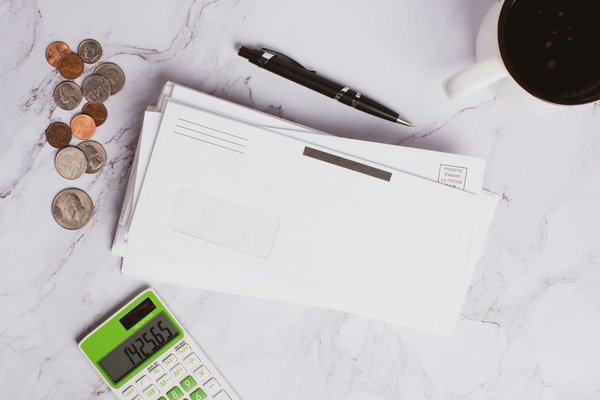
Setting up an envelope budget sounds simple until you start deciding what each envelope should cover. One person creates five broad envelopes and cannot tell where the money went. Another creates 30 highly specific envelopes and gives up after a week. The most useful envelope budgeting categories list sits somewhere in the middle: detailed enough to guide spending, but simple enough to manage.
The goal is not to create an envelope for every bill or possible expense. Envelopes work best for spending that changes from month to month and needs a clear limit. Your setup should reflect your household, priorities, and problem areas rather than copying someone else’s system exactly.
Start With the Expenses You Can Control
Before choosing envelope labels, separate fixed expenses from flexible expenses. Fixed bills such as rent, insurance premiums, and loan payments are usually handled through a bank account or automatic payments. Their amounts are predictable, so separate cash envelopes rarely add much control.
Flexible spending categories are different. Grocery costs, restaurant meals, entertainment, clothing, and personal spending can rise quickly without a visible limit. These are usually the best place to start because an envelope shows exactly how much remains.
A beginner may only need five to eight active envelopes. Once the system feels natural, you can split a broad category if doing so solves a real problem.
Core Envelope Budgeting Categories for Beginners
Groceries
Groceries are one of the most common budget categories because the total varies from week to week. Use this envelope for food and basic supermarket purchases. Decide whether cleaning products, toiletries, pet food, and paper goods belong here or in separate envelopes. Consistency matters more than the exact rule.
Dining Out and Takeout
Restaurant meals, coffee runs, delivery orders, and takeout deserve their own envelope when convenience spending regularly disrupts your budget. Separating dining out from groceries prevents you from using food money twice. When this envelope is empty, cook at home or wait until the next budgeting period.
Transportation
This envelope can cover fuel, public transportation, parking, tolls, rideshares, and routine travel costs. Drivers may want separate envelope labels for fuel and car maintenance, especially if repair costs are saved over several months. Others may need only one transportation category.
Household Supplies
Use a household envelope for cleaning products, laundry supplies, paper products, batteries, light bulbs, and other routine items. This category is helpful when non-food purchases make grocery spending look higher than it really is.
Personal Care
Personal care may include haircuts, cosmetics, skincare, toiletries, grooming products, and similar expenses. Keep it broad or divide it by family member when different limits are needed.
Clothing
A clothing envelope creates room for planned purchases without treating every new item as an emergency. Families with children may fund it monthly, while other households may save a smaller amount and spend it seasonally.
Entertainment
Entertainment can include movies, games, hobbies, outings, and event tickets. The category gives you permission to enjoy your money while still protecting larger financial goals.
Miscellaneous Spending
A small miscellaneous envelope provides flexibility for expenses that do not fit elsewhere. Keep the amount limited. If it repeatedly covers the same type of purchase, that expense probably deserves its own category.
Optional Categories That May Fit Your Life
Your envelope budgeting categories list should become more personal once the basic system is working. Parents might add school expenses, children’s activities, babysitting, or allowance. Pet owners may need envelopes for food, grooming, or routine veterinary costs. Other useful options include gifts, date nights, medical copays, prescriptions, beauty services, hobbies, and charitable giving.
Add a category because it improves a spending decision, not because it appeared on a printable checklist.
Use Sinking Funds for Irregular Costs
Some expenses do not happen every month, but they are predictable. These are often better treated as sinking funds rather than ordinary monthly envelopes. A sinking fund is money saved gradually for a known future cost.
Common examples include car repairs, holiday gifts, annual memberships, school supplies, vacations, appliance replacement, and home maintenance. If you expect to spend $600 on holiday gifts, saving $50 per month is easier than finding the full amount in December.
You may track sinking funds with physical cash, a separate savings account, or digital envelopes. The method matters less than keeping the money separate from everyday spending.
Categories You Can Usually Skip
Not every expense needs an envelope. Fixed bills paid automatically can remain in your checking account as long as you reserve enough money for them. Creating cash envelopes for rent, internet, phone service, and insurance may add work without changing your behavior.
Avoid envelopes that are too narrow, such as separate categories for coffee, lunch, snacks, and dessert, unless one area is a serious spending problem. Too many categories make the system harder to maintain and encourage constant money transfers.
You can also skip categories with no realistic monthly use. A budget should describe your actual life, not an idealized checklist.
How to Customize Your Envelope Labels
Review the last two or three months of transactions and highlight purchases that were flexible, frequent, or difficult to control. Group similar purchases, then choose clear envelope labels that make sense at a glance. “Food outside the home” may work better than separate restaurant and coffee envelopes. Another person may need them split because coffee spending is the main concern.
Give each envelope a realistic amount based on recent spending and your financial goals. Cutting a category too aggressively can make the budget feel impossible, so gradual reductions are often easier to sustain.
After one month, review what happened. Combine categories you rarely used, split categories that were confusing, and adjust unrealistic amounts. An envelope system is meant to be refined.
Frequently Asked Questions
How many envelope budgeting categories should I have?
Most beginners can start with five to eight flexible categories. The right number is the smallest set that gives you meaningful control without unnecessary work.
Should bills be included in the envelope system?
They can be, but fixed bills usually do not need physical envelopes. Many people leave bill money in a bank account and use envelopes only for variable spending.
What happens if one envelope runs out?
You can stop spending in that category, wait until the next budget period, or intentionally move money from another envelope. The key is making the tradeoff visible rather than spending without a plan.
Can I use digital envelopes instead of cash?
Yes. Budgeting apps and separate bank-account categories can provide the same structure. Choose the format you are most likely to update consistently.
Build a System You Will Keep Using
The best envelope budgeting categories list is not the longest one. It is the one that helps you make clearer spending decisions month after month. Begin with a manageable set of everyday categories, then add sinking funds or specialized envelopes only when they serve a clear purpose.
Keep the system simple, review it regularly, and let your categories change as your life changes. A practical envelope budget should reduce financial stress, not create another complicated task.