Choosing a budgeting method is less about finding the “best” tool and more about finding one you will use. Some people need the physical pause of handing over cash. Others want automatic tracking and a complete view of their finances on a phone. In the envelope system vs budgeting app debate, the better fit depends on how you spend and what keeps you accountable.
How the envelope system works
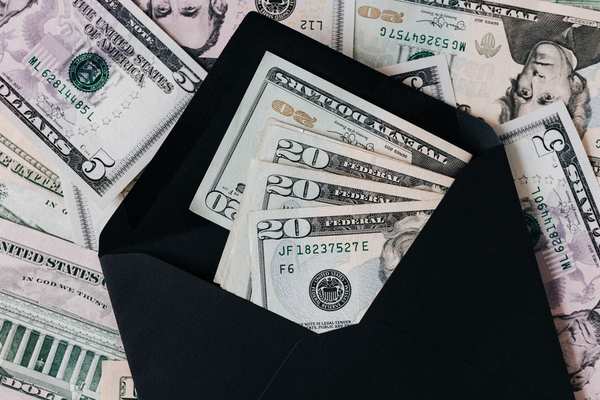
The traditional envelope system divides cash into spending categories such as groceries, dining out, entertainment, and personal care. At the beginning of the budget period, you place a set amount in each envelope. When an envelope is empty, spending in that category stops unless you intentionally move money from somewhere else.
This makes limits tangible. Instead of seeing an abstract bank balance, you can immediately tell how much remains for a specific purpose. Counting cash before a purchase also creates a moment to reconsider it. Many households keep recurring bills in a bank account and use envelopes only for flexible categories.
How a budgeting app works
A budgeting app organizes income, bills, savings goals, and spending categories digitally. Depending on the app and the permissions you grant, transactions may be imported from connected accounts or entered manually. Some apps focus on planning every dollar, while others emphasize tracking, bill reminders, shared budgets, or savings goals.
The main advantage is convenience. A digital budget can show activity across multiple accounts, calculate category balances, and reveal spending patterns. If you pay online, use several cards, or share expenses, an app may reflect your financial life more completely than cash. Still, automation is not attention. If you stop checking the app, its alerts will not change your habits.
Cash vs app budgeting: the key differences
Spending awareness
Cash creates immediate awareness because every purchase visibly reduces the money available. This can be powerful for impulse-prone categories. Apps provide awareness through balances, reports, and notifications, but you must review them consistently. If card spending feels painless until the statement arrives, envelopes may create a stronger boundary.
Convenience and coverage
Apps are better suited to online shopping, subscriptions, automatic payments, and cashless stores. They also simplify managing several accounts. Cash envelopes require ATM visits, physical organization, and a separate plan for purchases that cannot be paid in cash. In this part of the envelope method comparison, digital budgeting is the convenience winner.
Accountability and flexibility
An empty envelope sends a simple message: the category limit has been reached. That firmness helps when you need stricter control. Apps make it faster to move money between categories, which is useful when plans change but can make limits easier to ignore. Your choice depends on whether you need firm guardrails or flexible adjustments.
Security and privacy
Cash requires no financial login, but lost or stolen cash may be hard to recover. Reputable apps use security safeguards, yet connected services introduce privacy and account-access considerations. Review an app’s permissions and privacy terms, use a unique password, and enable multifactor authentication when available. Neither choice is risk-free; the risks are different.
Cost and setup
A basic cash-envelope setup can cost almost nothing, although ATM fees may apply. Budgeting apps range from free tools to paid subscriptions. An app can save time after setup, but connecting accounts, creating categories, and correcting misclassified transactions may require effort at first.
Which budgeting style fits you?
The envelope system is a strong choice if your main challenge is overspending in a few flexible categories. It also suits hands-on learners and people who do not want to link accounts to another service. It may be inconvenient, however, if most of your spending happens online or through automatic payments.
A budgeting app fits people who make most purchases electronically and want a broad financial overview. It can help couples who need shared visibility and anyone managing multiple accounts, irregular expenses, or several savings goals. Success still requires a routine, so schedule a brief weekly review of transactions and category balances.
Focus on your biggest obstacle. Do you know where your money goes but struggle to stop spending? The physical limit of cash may help. Do you lose track because money moves through several accounts and cards? A digital dashboard may solve the larger problem.
Can you combine both methods?
Yes, and for many people a hybrid is the most realistic answer. You might use an app for income, fixed bills, debt payments, and long-term goals, while withdrawing cash for groceries, dining out, or entertainment. The app provides the big picture; the envelopes create firmer boundaries where you need them.
To avoid double-counting, record cash withdrawals consistently. Treat a withdrawal as money assigned to envelope categories, then choose one method for recording how the cash is spent. A clear routine matters more than perfect detail.
How to choose without overcomplicating your budget
Start small. If impulsive card purchases derail your plan, test cash envelopes for two or three problem categories. If scattered accounts and forgotten bills create stress, test an app instead. Consider where you shop, whether you share finances, how comfortable you are connecting accounts, and whether a subscription offers enough value.
Give the method one full monthly budget cycle. Use a few meaningful categories, set limits based on recent spending, and review the results weekly. A budget should guide your decisions, not create so much maintenance that you abandon it.
The better budget is the one you will maintain
There is no universal winner in the envelope system vs budgeting app comparison. Cash envelopes offer visible limits and a useful pause before spending, while apps offer convenience, automation, and a wider view of your money. Choose the approach that addresses your habits, then adjust it as those habits change. If each method solves part of the problem, combine them.
Frequently asked questions
Is the envelope system better than a budgeting app?
It is often better for people who need visible limits on discretionary spending. An app is usually more practical for digital transactions, automatic bills, multiple accounts, and shared budgets. Personal behavior matters more than the format.
Can I use the envelope method without cash?
Yes. Digital envelope or zero-based budgeting tools let you assign money to virtual categories while paying with cards or bank transfers. You keep the category structure, although you may not feel the same physical spending pause as with cash.
What expenses should go in cash envelopes?
Start with variable categories that are easy to overspend, such as groceries, dining out, entertainment, clothing, or personal spending. Fixed bills and automatic payments are generally easier to manage through a bank account or app.
How long should I test a new budgeting method?
Try it for at least one full monthly budget cycle. Then review what felt easy, what caused friction, and whether your spending improved. Adjust your categories or test a hybrid before deciding the method is not right for you.